Preventing Opioid Overdose
Opioid misuse is an epidemic in Calhoun County. Taking action early can reduce the risk of illegal substance use—including illegal opioids—as well as the misuse of prescription medications that can lead to substance use disorders.
Substance use disorders, including OUD, has greatly impacted Calhoun County. Prevention efforts play a vital role in educating and supporting individuals, families, and communities, and they are essential for protecting overall health and well-being.
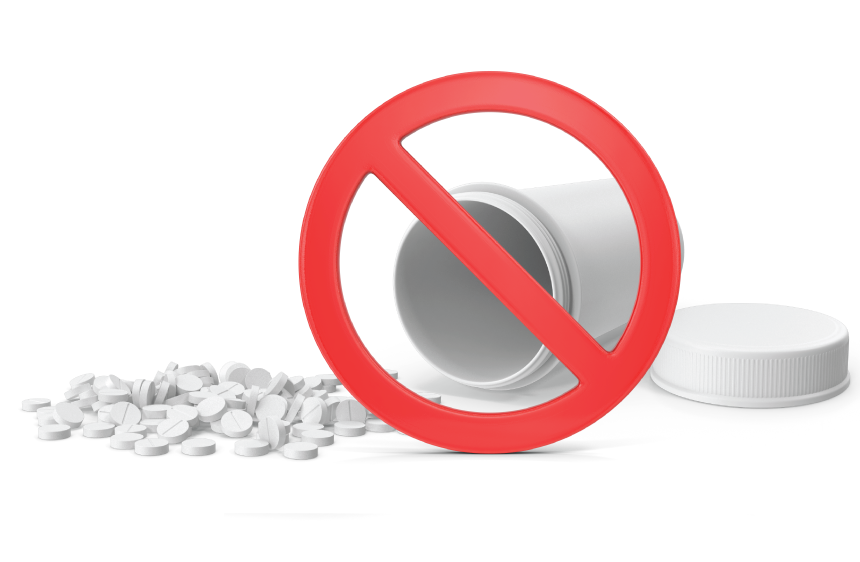
Opioid Use Disorder (OUD) and Overdoses are Preventable.
Opioid Use Disorder (OUD)
Opioid Use Disorder, also known as “opioid dependence” or “opioid addiction”—is a pattern of opioid use that causes significant distress or impairment. OUD is a medical condition that can affect anyone, regardless of race, gender, income, or background. Evidence-based treatments exist, but stigma still prevents many people from seeking help. This stigma can weaken the effectiveness of prevention and treatment programs during the ongoing opioid crisis.
Important to remember
Stigma—or the fear of being stigmatized—may keep someone from discussing their condition with loved ones or health providers. Stigma can come from individuals, including clinicians, or from the broader community. People seeking care for OUD may encounter clinicians who hold stigmatizing beliefs, which can limit access to needed services. Health-related stigma can also reduce a person’s ability or willingness to remain in treatment. Learning how to reduce stigma is a key part of supporting people with OUD.
OUD plays a major role in overdose deaths among people who use illegal opioids or misuse prescription opioids. Synthetic opioids, especially illegally manufactured fentanyl, are involved in most overdose fatalities.
For every fatal overdose, many more nonfatal overdoses occur—each carrying its own emotional, physical, and financial impact. Although OUD and overdose deaths remain urgent public health issues, they can be prevented.
Say No to Opioids and Stop Overdoses
Overdose is the leading cause of accidental death in the U.S. Using opioids, whether prescribed or illegally, comes with a significant risk of overdose. Signs of an opioid overdose include:
- Loss of consciousness or limp body.
- Slow breathing, shallow breathing, or choking.
- Small, "pinpoint" pupils.
- Pale, blue, or cold skin.
- Slowed heart rate.
If you see someone exhibiting any of the above signs, dial 911 immediately. If you or a loved one is actively using opioids, we encourage you get a FREE Naloxone (NARCAN®) kit. Opioid emergencies can happen anytime, anywhere. Narcan is an FDA approved nasal spray for the emergency treatment of an opioid overdose. One spray can save a life!
Ways to reduce the risk of counterfeit pill overdoses:
- Take only medications prescribed to you.
- Understand that pills purchased illegally may contain highly potent, unexpected substances.
- Use fentanyl test strips (FTS) to check drugs for the presence of fentanyl. These test strips can detect fentanyl in various drugs (e.g., cocaine, methamphetamine, heroin) and forms (pills, powders, and injectables).
- Always have Narcan in the event of an accidental overdose.
Live Calhoun Free! Without Stigma
It's time to free Calhoun County from opioid stigma. Instead, support recovery.